
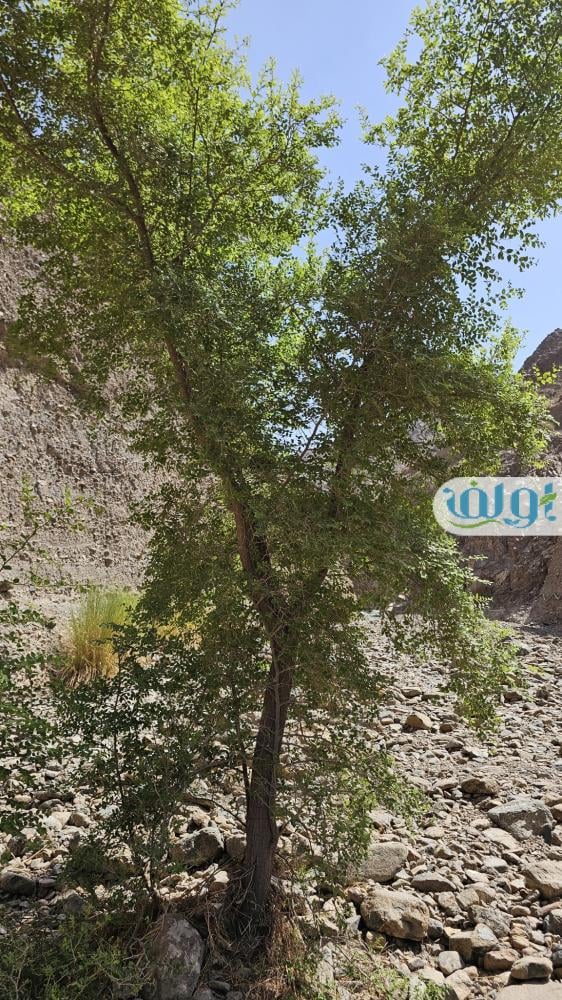
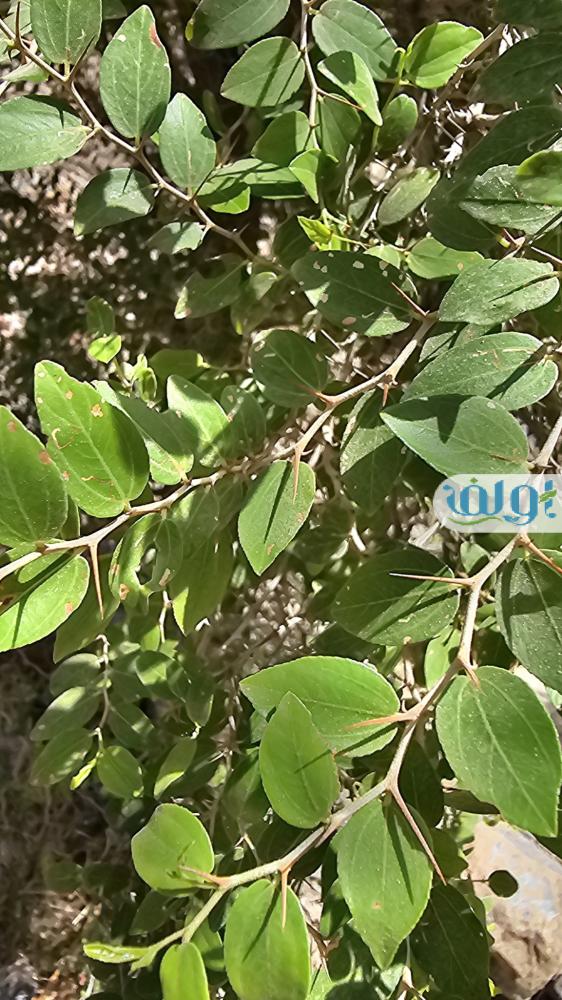
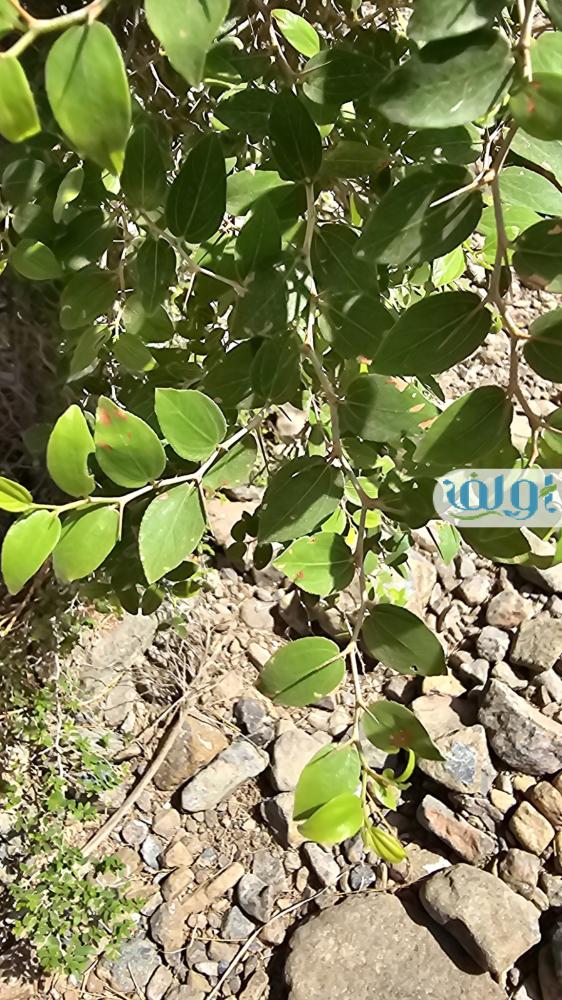
Wild Sidr (scientific name: Ziziphus spina-christi ) is an evergreen tree belonging to the Rhamnaceae family. In many Arab regions, it is known as nabq or wild jujube. This tree grows in hot, dry environments and is considered indigenous to the Arabian Peninsula, North Africa, and parts of Asia. The Sidr tree has gained great importance throughout history due to its nutritional, medicinal, economic, and environmental benefits, in addition to its religious and cultural significance.
Nutritional value of jujube fruits
Wild jujube fruits are rich in nutrients:
- Vitamins: Vitamin C, Vitamin A, and B complex vitamins.
- Minerals: such as iron, calcium, magnesium, and potassium.
- Dietary fiber: helps improve digestion.
- Antioxidants: Protect the body from free radicals and reduce the risk of chronic diseases.
Health benefits of wild sidr
- Boost immunity: thanks to its high vitamin C content.
- Supports Digestive Health: Fiber helps improve digestion and prevent constipation.
- Skin and hair health: The leaves are used in natural recipes to strengthen hair and soften skin.
- Anti-inflammatory: Plant extracts reduce internal and external inflammation.
- Regulating blood sugar levels: Some studies indicate that jujube helps diabetics control their glucose levels.
- Strengthening bones: thanks to the calcium and magnesium found in the fruits.
Traditional and modern medical uses
- Leaves: used to treat skin diseases and hair loss.
- Fruits: General tonic, beneficial for stomach ulcers and respiratory diseases.
- Bark and roots: used in therapeutic recipes for joint pain and inflammation.
- Honey extracted from its flowers (Sidr honey): It is considered one of the most powerful natural antibacterial and antifungal agents, and is used to treat wounds and ulcers.
Sidr honey
Sidr honey is one of the most expensive and finest types of honey in the world, and is characterized by:
- Dark color and distinctive taste.
- Health benefits such as strengthening immunity, treating stomach ailments, and improving energy.
- It is world famous as a natural source for treating many diseases.
Economic importance
- Agriculture and afforestation: Sidr is planted in afforestation projects to combat desertification.
- Trade: Sidr fruits and Sidr honey are products of high economic value.
- Natural products: used in cosmetics, skin and hair care.
Environmental importance
- Stabilizing sand dunes and preventing soil erosion.
- Providing shelter for birds and small animals.
- A major source of nectar for bees, which supports beekeeping and honey production.
religious and cultural significance
- The Sidr tree was mentioned in the Holy Quran:
- (At the Lote Tree of the Limit) [An-Najm: 14].
- It has been used for purification and ablution by Muslims since ancient times.
- It is considered a symbol of blessing and generosity in many Arab societies.
Planting and care methods
- Soil: Grows in sandy, rocky, and even saline soil.
- Watering: Drought tolerant, but grows faster with regular watering.
- Propagation: By seeds or cuttings.
- Care: Needs regular pruning and trimming to stimulate growth.
Frequently Asked Questions (FAQ)
Can we eat jujube fruits daily?
Yes, it is rich in nutrients, but moderation is better.
What distinguishes Sidr honey from other types?
Its powerful medicinal properties and unique taste.
Is it recommended to use sidr leaves for hair?
Yes, it strengthens hair and reduces hair loss.
conclusion
The wild sidr tree is not just a desert tree; it is a natural treasure that combines nutritional, medicinal, economic, and environmental benefits. It also holds a deep religious and cultural significance in Arab and Islamic societies, making it worthy of attention, cultivation, and conservation.