
Leptadenia pyrotechnica Seeds – Cultivation and Uses Guide
Leptadenia pyrotechnica seeds are now available. The plant is known by its common names such as “leptin” and “leptin”, and is a desert plant of high ecological and medicinal value.
The native home of the Marakh plant
Leptadenia pyrotechnica grows naturally in the desert regions of North Africa, the Middle East, and South Asia. This plant is excellently adapted to the harsh environmental conditions of deserts and dry lands.
Description of the Marakh plant
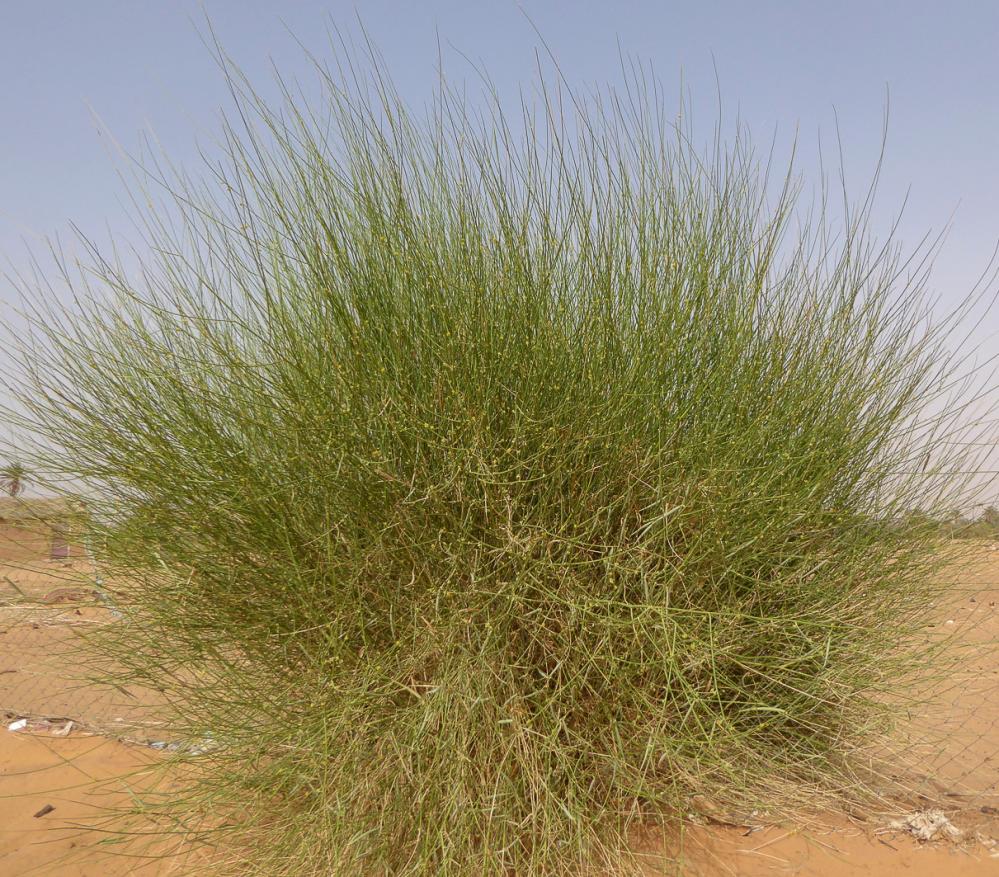
The marakh plant is an evergreen shrub that can reach a height of 2–3 meters. It features thin, branched stems and small leaves that may be sparse or almost nonexistent. The plant has a light green color, and its deep roots help it absorb water from deep within.
Description of the date flower
The flowers of the hollyhock are small and yellowish-green, growing in small clusters at the tips of branches. Although the flowers are not conspicuous, they play an essential role in reproduction and seed production. The flowers bloom shortly after rainfall.
Uses and benefits of the marjoram plant
- Fuel uses: Dried cedar branches are used as fuel in desert areas due to their rapid combustion.
- Medicinal benefits: Some parts of the plant are used in traditional medicine to treat infections and wounds.
- Animal nutrition: Plants are a source of food for animals in dry desert areas.
- Soil stabilization: It is used in soil cultivation to stabilize soil and prevent erosion in desert areas.
Suitable climate and soil for the Marakh plant
Suitable climate
The locust plant requires a hot, dry climate. It grows well in desert areas with high temperatures and low rainfall. The plant is drought-tolerant and can survive in harsh conditions.
Suitable soil
The hollyhock grows in sandy or loamy soils that are poor in organic matter. It prefers well-drained soil and can tolerate saline and alkaline soils thanks to its deep roots, which help it extract water from deep soil.
Date of planting date
The best time to plant locust bean seeds is at the beginning of the rainy season, when the moisture necessary for germination is available. In areas with a perennially dry climate, locust bean can be planted after rainfall or during periods of abundant water.
How to grow the Marakh plant
- Soil preparation: Clear the soil of weeds and prepare it well.
- Sowing seeds: Plant seeds 1-2 cm deep in the soil.
- Watering: Water the soil regularly until the seeds begin to germinate.
- Post-germination care: After the seeds germinate, reduce watering to avoid root rot, and be sure to remove weeds surrounding the plants.
How to fertilize the Marakh plant
- Organic fertilizer: Organic fertilizer can be used in the soil preparation stage to improve growth.
- Chemical Fertilization: In very poor soil, a small amount of balanced fertilizer (NPK) can be applied to promote growth. Although the sage plant adapts to poor soil, adding fertilizer early in the season can help stimulate growth.
Leptadenia pyrotechnica seeds are an excellent choice for planting in desert and arid environments. Thanks to its adaptability to harsh conditions and its many benefits, this plant is a valuable addition to any desert garden.