
🌱 Jada Seeds: Overview and Health Benefits
Jada seeds come from the Teucrium polium plant, a perennial herb from the mint family (Lamiaceae).
This plant is known for its aromatic scent and medicinal properties, commonly found in the Middle East and North Africa.
It has been used for centuries in traditional medicine for its soothing and healing effects.
🌿 What is the Jada Plant?
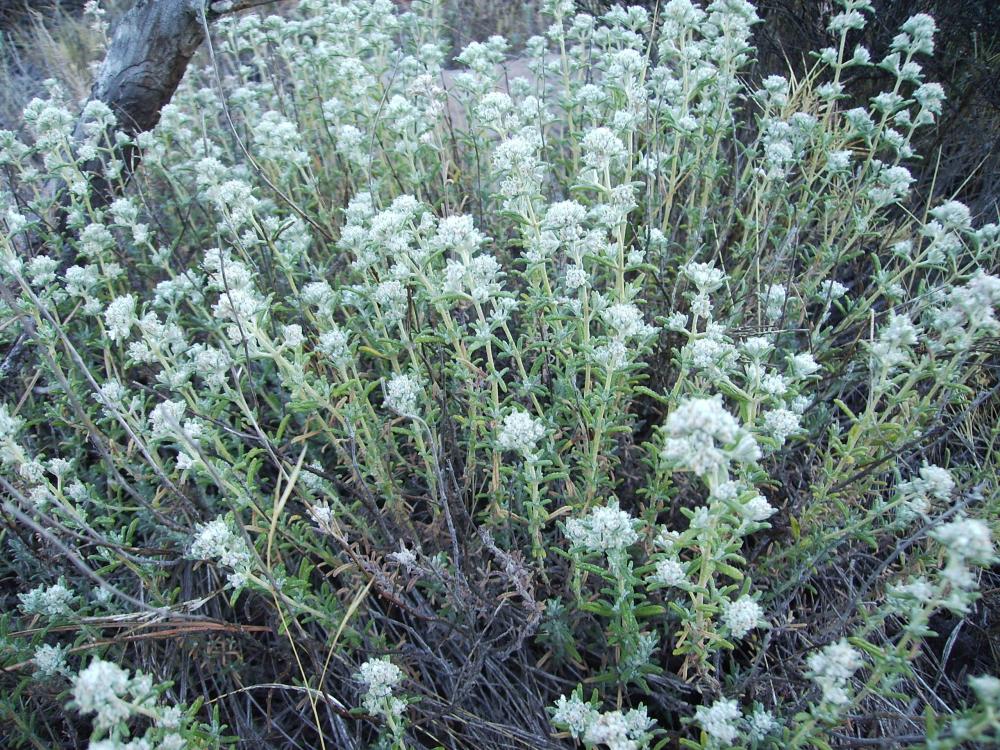
The Jada plant is a small perennial herb with silvery, soft leaves and white or pale purple flowers that bloom in spring.
Once the flowers dry, their seeds are collected for cultivation and herbal use.
🌾 How to Grow Jada Seeds
Growing Jada is simple and rewarding. Here’s how:
- Soil: Use light, sandy, well-drained soil.
- Soaking: Soak the seeds in warm water for 6–8 hours before planting.
- Planting: Sow them about 1 cm deep with proper spacing.
- Watering: Keep the soil slightly moist but not soaked.
- Light: Place in a sunny or semi-shaded area.
Seedlings usually sprout within 10–14 days and can be transplanted once strong enough.
💚 Health and Aromatic Benefits
🌿 Medicinal Uses:
- Relieves digestive discomfort and cramps.
- Acts as a natural anti-inflammatory and antibacterial.
- Helps regulate blood sugar levels in traditional medicine.
- Supports treatment of cold and respiratory issues.
🌸 Aromatic & Cosmetic Uses:
- Used in essential oils and natural beauty products.
- Adds a herbal fragrance to soaps and natural oils.
🐝 Environmental Benefits:
- Attracts bees and butterflies, enriching biodiversity in gardens.
🧺 Storing Jada Seeds
Store seeds in a cool, dry place away from direct sunlight.
Properly stored, they remain viable for up to two years.
🌿 Conclusion
Jada seeds are a hidden gem among herbal plants — uniting health benefits, natural fragrance, and ecological value.
Planting them means connecting with both tradition and sustainability, a perfect choice for every herbal enthusiast.